What happens at a cleaning and checkup
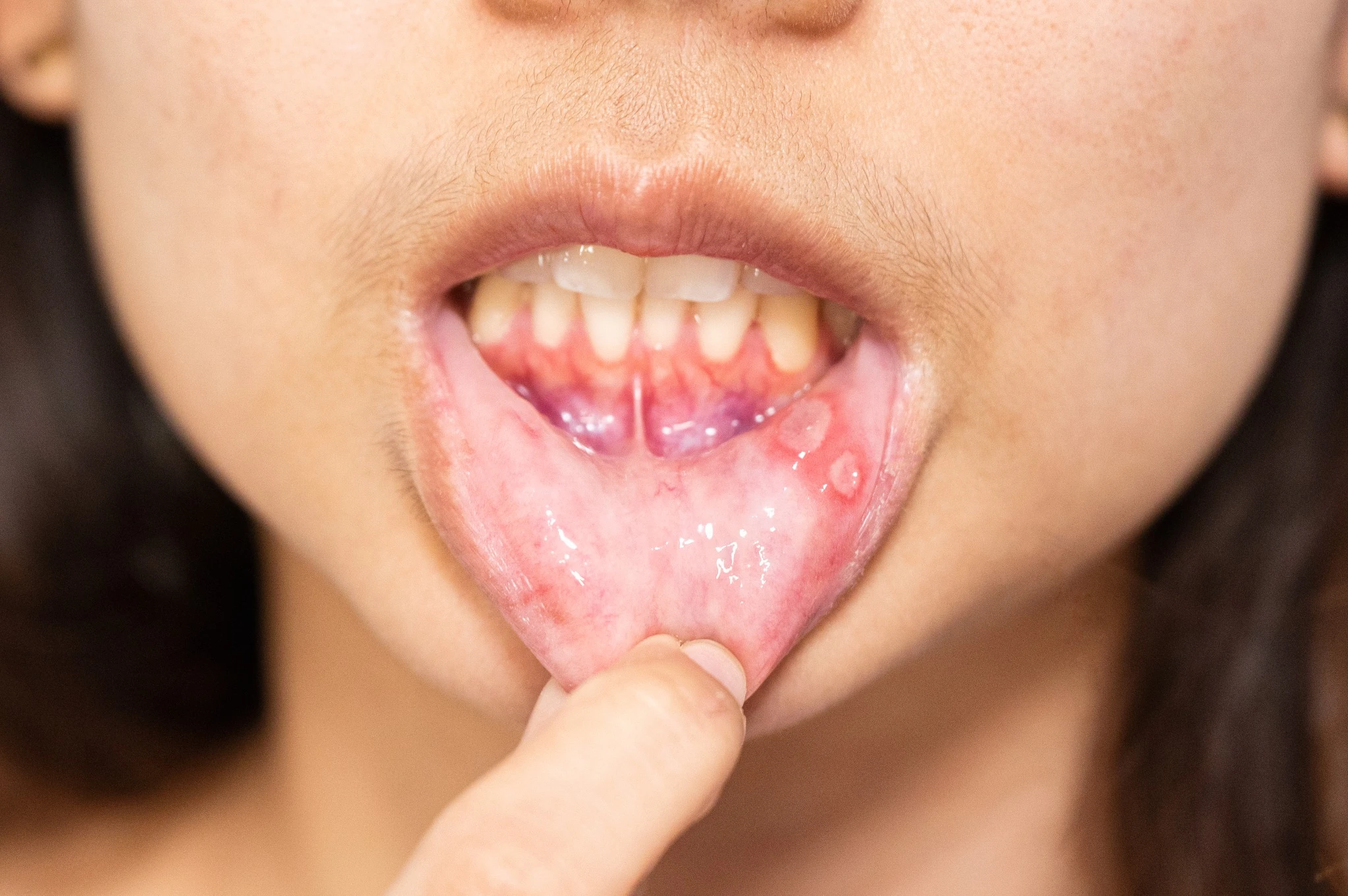
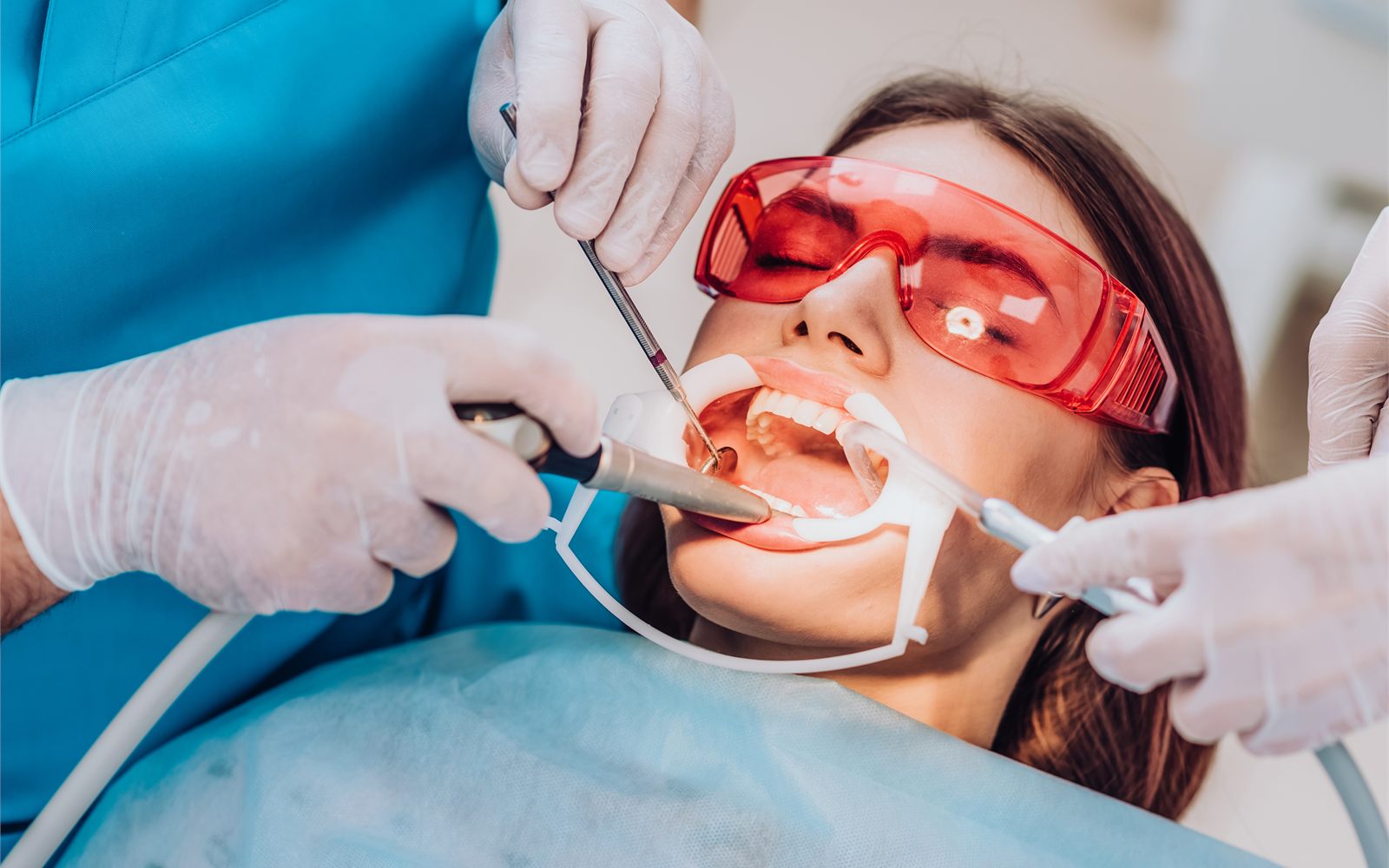
A routine visit has two halves. The cleaning removes the plaque and hardened tartar that brushing cannot shift, particularly below the gum line and between the back teeth. The examination checks every tooth, your gums, your bite and the soft tissues of your mouth for anything changing.
The examination is the part that quietly matters most. Cavities do not hurt until they are deep, gum disease is painless until it is advanced, and oral cancer screening takes ninety seconds and can matter enormously.
Almost everything we treat is cheaper, quicker and more comfortable to fix when it is found early — which is the entire argument for coming when nothing is wrong.
How often should you come?
Every six months suits most adults and children. Some people genuinely need three or four monthly visits — those with a history of gum disease, diabetes, smokers, or anyone who builds tartar quickly. A few very low-risk patients are fine annually.
We set your interval based on what we actually see in your mouth rather than a blanket rule. If you have not been in for several years, do not let that put you off: we see people in that position constantly, nobody gets a lecture, and the first visit is usually far less dramatic than the imagination suggests.
A regular cleaning versus a deep cleaning
| Routine cleaning | Deep cleaning | |
|---|---|---|
| Also called | Prophylaxis | Scaling and root planing |
| For | Healthy gums, routine maintenance | Gum disease with pockets and bone loss |
| Reaches | Above and just below the gum line | Deep under the gum, along the root |
| Anaesthetic | Not needed | Usually numbed |
| Appointments | One | Often two, split by side |
| Follow-up | Six months | Three to four month maintenance |
If we recommend a deep cleaning, it is because we have measured pockets around your teeth and found gum disease — not as an upsell. We will show you the numbers on your chart and explain what they mean.
What to expect at your visit
Medical history and a look around
We check what has changed since your last visit — health, medications, anything that has been bothering you. Several common medications affect the mouth in ways worth knowing about.
X-rays when they are due
Not at every visit. We take them at sensible intervals to see between teeth and below the gum, where decay hides until it is large.
The cleaning
Plaque and tartar are removed with ultrasonic and hand instruments, then the teeth are polished. Tell us if anything is sensitive — we can work around it rather than push through.
The examination
Every tooth, existing fillings and crowns, gum measurements, your bite, and a soft-tissue and oral cancer check.
What we found, and what next
Plain language, no jargon. If something needs treatment you get a written plan with costs. If nothing does, we say so and book you back in.
Cleanings for children
Children should see a dentist by their first birthday or when their first tooth appears, whichever comes first. Early visits are mostly about making the place familiar — a ride in the chair, counting teeth, a polish — so that the dentist never becomes something to dread.
We also apply fluoride and, where appropriate, sealants on the biting surfaces of back molars, which are the most cavity-prone surfaces in a child mouth. Parents are welcome to stay alongside throughout.
What a cleaning costs, and coverage
Preventive care is the least expensive dentistry there is, and it is where insurance is most generous. Most PPO plans cover routine cleanings and exams at or near 100%, often twice a year, and we verify your benefits before your appointment.
We welcome Medi-Cal and Denti-Cal patients, which covers routine cleanings and exams for both adults and children. If you have no insurance, tell us when you book — a cleaning and exam is the most affordable appointment we offer, and skipping it is what turns a filling into a crown. See our affordable dentist in Fresno page for the options.
What those gum measurements mean
At each checkup you may hear numbers called out — three, two, four — while your gums are checked with a small probe. Those numbers are the most useful information in the whole appointment, and most patients have never had them explained.
The probe measures the depth of the natural crevice between tooth and gum in millimetres. One to three is healthy and cleanable with a toothbrush and floss. Four is borderline, the point where a pocket is forming that you can no longer reach at home.
Five and above means the attachment holding the tooth has been lost, and bacteria are living somewhere no brush will ever go. Bleeding when probed is recorded separately, and healthy gums do not bleed — bleeding when you brush is a sign of inflammation, not of brushing too hard.
What makes these numbers matter is that bone loss does not grow back. Fillings can be replaced and crowns remade, but the bone supporting a tooth is not restored once it has gone. Gum disease is also almost entirely painless until it is advanced, which is why people are surprised to be told they have it while feeling perfectly fine.
The good news is that caught at four millimetres it is very manageable — a course of deep cleaning and a shorter recall interval usually stabilises things completely. Ask us for your numbers at your next visit. Tracking them over the years tells you more about your long-term dental health than almost anything else we record.
Cleanings for Riverpark, North Fresno and nearby
Our office is at 6319 N Fresno St, Suite 101, minutes from Riverpark in north Fresno, with parking right outside. Families come to us from Fresno, Clovis, Sanger, Selma, Fowler, Kerman and Madera.
We are open Monday to Thursday, 8:00 AM to 5:00 PM, with Saturdays available by appointment — useful when you are trying to fit the whole family in without missing school or work. Our team is bilingual in English and Spanish. Book a cleaning and checkup and we will tell you exactly where you stand.
Frequently asked questions
How often should I get my teeth cleaned?
Every six months suits most adults and children. If you have a history of gum disease, diabetes, or build tartar quickly, three to four months is better. We set your interval on what we see rather than a blanket rule.
What is the difference between a regular and a deep cleaning?
A routine cleaning works above and just below the gum line. A deep cleaning — scaling and root planing — goes deeper along the root to treat gum disease, is usually numbed, and often takes two appointments.
Does a dental cleaning hurt?
It should not. Some sensitivity is normal if your gums are inflamed or you have not been in for a while. Tell us and we will adjust — there is no need to grit your teeth through it.
I have not been to a dentist in years. Is that a problem?
Not at all, and you will not get a lecture. We see people in that position all the time. The first visit is usually far less dramatic than people expect, and we work through anything needed at your pace.
When should my child first see a dentist?
By their first birthday, or when the first tooth appears if that comes sooner. Early visits are mainly about familiarity, so the dentist never becomes something to be afraid of.
Are cleanings covered by insurance or Medi-Cal?
Usually, yes. Most PPO plans cover routine cleanings and exams at or near 100%, typically twice a year, and Denti-Cal covers routine cleanings and exams for adults and children. We verify before your visit.
Do you take Medi-Cal / Denti-Cal for this treatment?
Yes — we welcome Medi-Cal and Denti-Cal patients, and we also accept all major PPO insurance and cash. Bring your Benefits Identification Card and our team will verify what your plan covers before treatment.
Patient guides Dr. Kamaldeep Singh, DDS wrote on the questions that come up most.
- The Benefits of Regular Cleanings
What a professional clean does that brushing cannot.
4 min read → - Why Regular Checkups Matter
Catching problems while they are still small and cheap.
4 min read → - Daily Oral Hygiene Guide
What to do between visits so the cleanings get easier.
4 min read →