Frequently asked questions
What is the cheapest way to improve my smile?
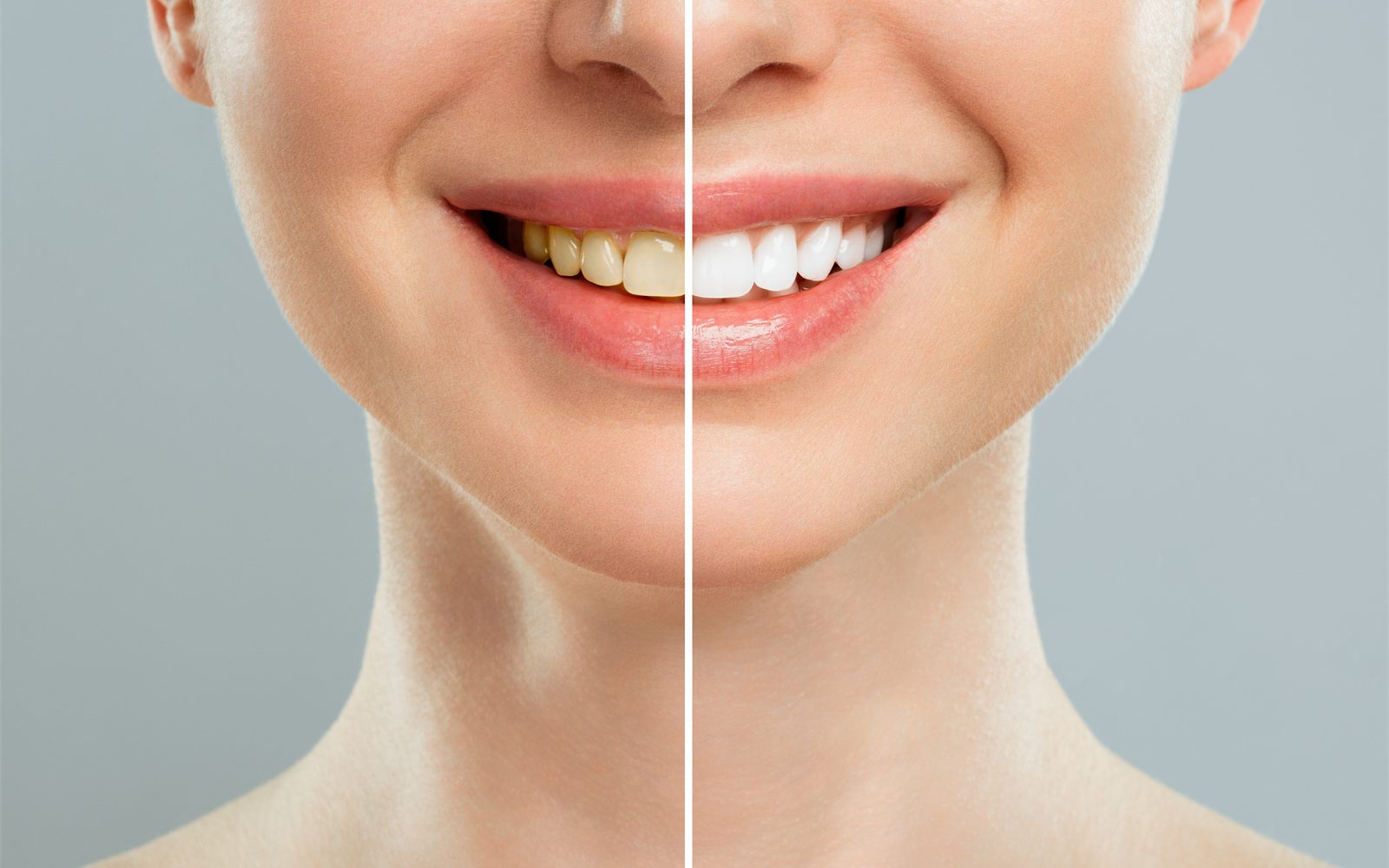
Professional whitening is usually the highest-impact treatment for the lowest cost, followed by composite bonding for a single chip or small gap. Both are far less invasive than veneers, and we will say so if that is all you need.
How long does cosmetic bonding last?
Around five to seven years, depending on where it is placed and your habits. It picks up stain more readily than porcelain, but it can be polished, repaired or added to chairside rather than replaced entirely.
Should I whiten before or after veneers?
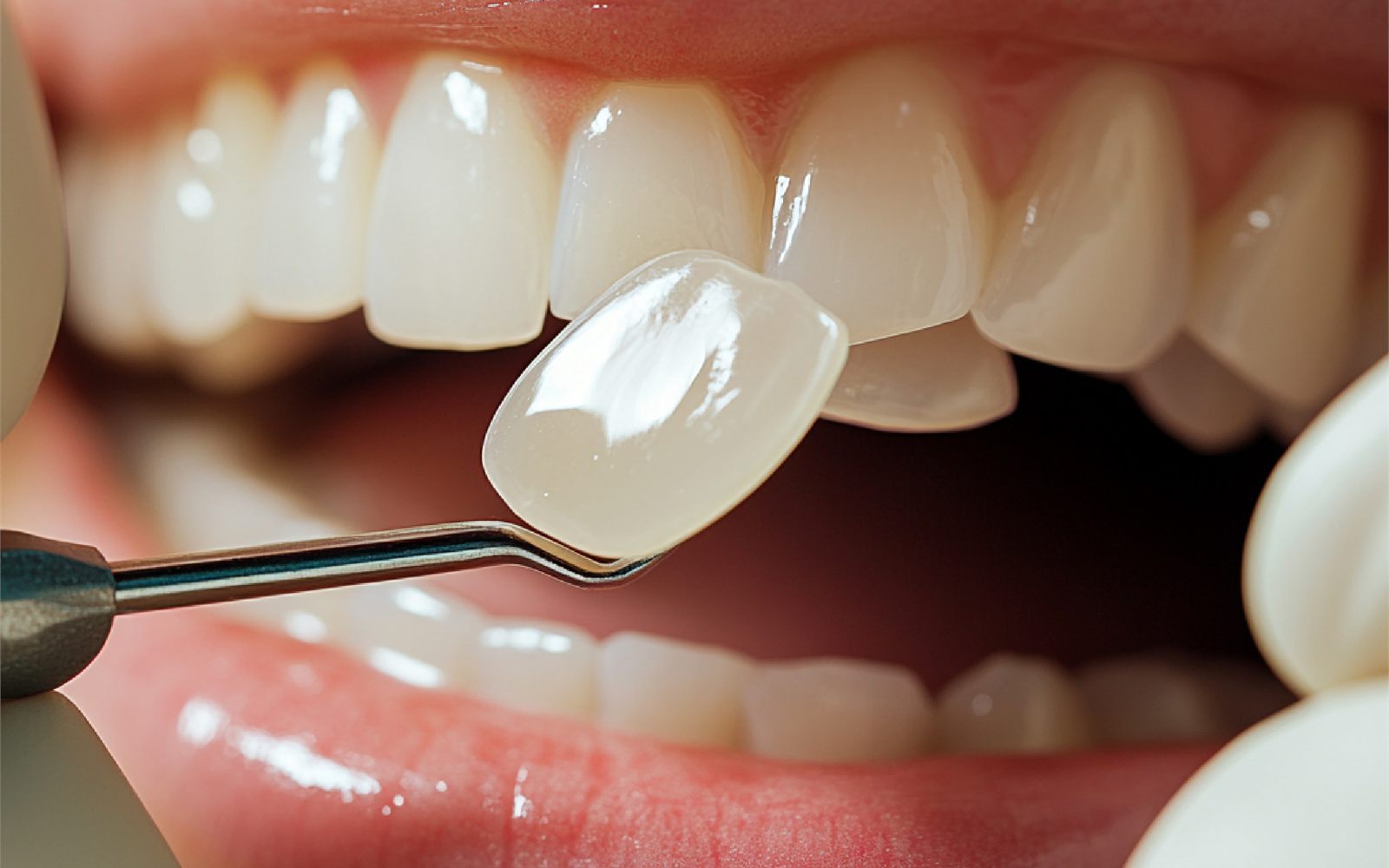
Always before. Porcelain does not respond to whitening, so we brighten your natural teeth first and then shade-match the veneers to the lighter result. Doing it the other way round means the veneers no longer match.
Will cosmetic work look obvious?
Not if it is designed around your face rather than to a template. We plan from your lip line and proportions, and you approve the shape and shade at a preview stage before anything becomes permanent.
Does insurance cover cosmetic dentistry?
Usually not — most PPO plans and Medi-Cal / Denti-Cal classify cosmetic treatment as elective. Where there is a functional reason, such as rebuilding a fractured tooth, part may be claimable. We check your specific plan rather than assume.
How long does a full smile makeover take?
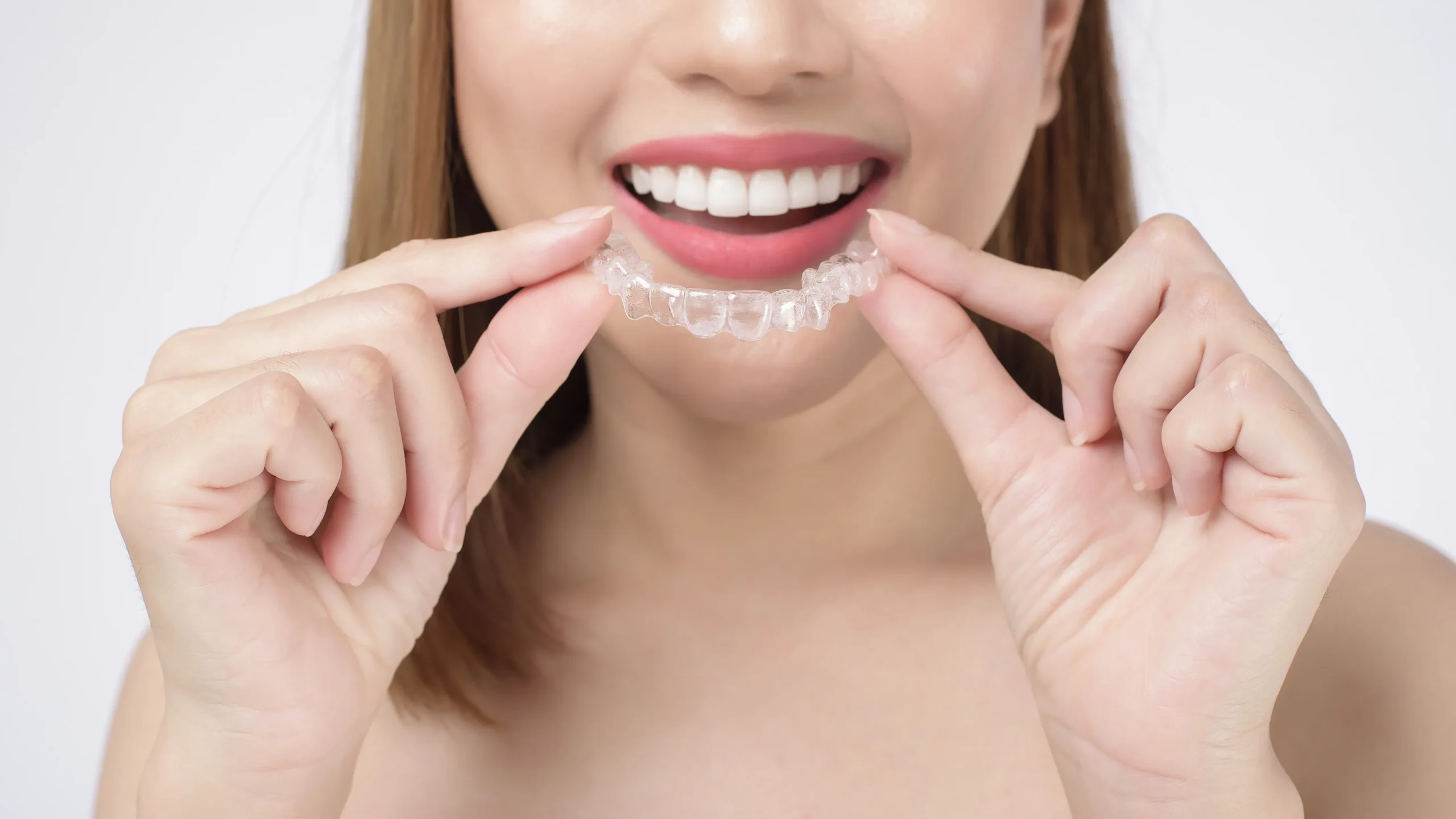
It depends on the sequence. Whitening alone takes a week or two; veneers three to four weeks; and if straightening is needed first, six to eighteen months. We map the whole timeline out at the consultation.
Do you take Medi-Cal / Denti-Cal for this treatment?
Yes — we welcome Medi-Cal and Denti-Cal patients, and we also accept all major PPO insurance and cash. Bring your Benefits Identification Card and our team will verify what your plan covers before treatment.