Crowns and bridges, and the difference between them
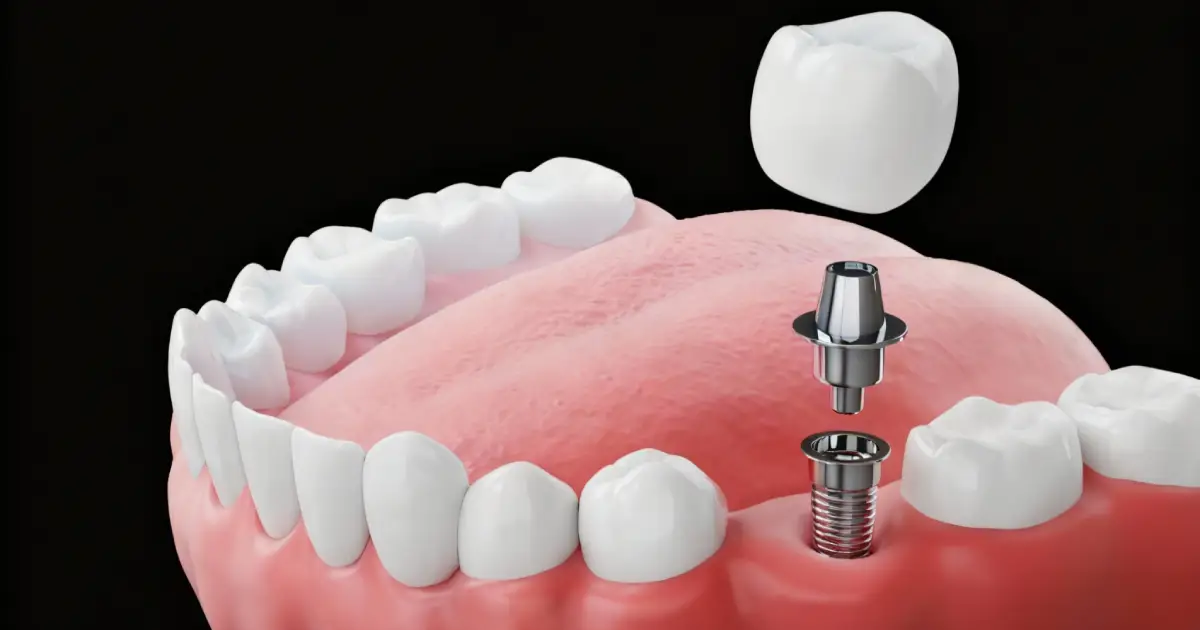
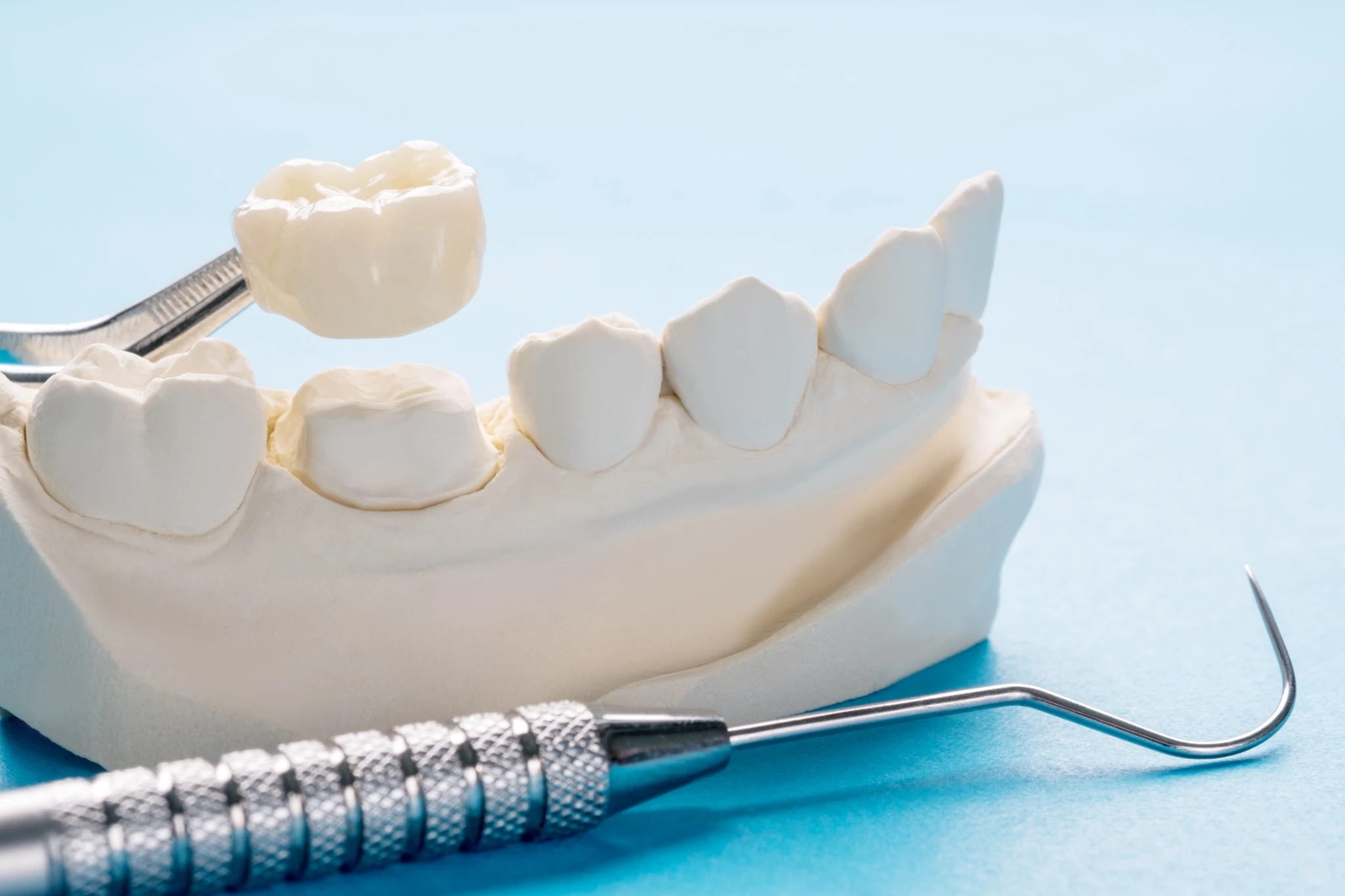
A crown is a cap that covers a whole tooth to restore its strength and shape. A bridge replaces a missing tooth by joining crowns on the teeth either side of the gap, with a false tooth suspended between them. Put simply: a crown saves a tooth you still have, a bridge fills a space where one has gone.
Both are made from porcelain or porcelain fused to metal, shade-matched to the teeth around them. Modern porcelain is strong enough for back teeth and translucent enough for front ones, which is why the old dark line at the gum has largely disappeared from good crown work.
When you need a crown
A filling replaces part of a tooth; a crown replaces the outside of the whole tooth. Once too much structure has gone, a filling has nothing left to hold onto and will keep failing. We usually recommend a crown when:
- A tooth has cracked, or a large old filling is breaking down around the edges
- You have had a root canal on a back tooth — it becomes brittle and needs the protection
- A tooth is severely worn from grinding
- A front tooth is discoloured or misshapen beyond what veneers can address
- A dental implant needs its final restoration
A crack is the one to take seriously. A cracked tooth that gets crowned in time is usually saved; the same tooth left another year often ends up needing a root canal or extraction.
Bridge or implant?
When a single tooth is missing, both are reasonable, and the trade-off is worth understanding before you choose.
| Bridge | Implant | |
|---|---|---|
| Time to complete | 2–3 weeks | 3–6 months |
| Neighbouring teeth | Must be trimmed for crowns | Left untouched |
| Bone preservation | Bone under the gap still shrinks | Maintains the bone |
| Typical lifespan | 10–15 years | Post can last a lifetime |
| Cleaning | Needs threading underneath | Cleaned like a normal tooth |
| Best when | Neighbours already need crowns; you want it done sooner | Neighbours are healthy and untouched |
Our general rule: if the teeth either side are healthy and unfilled, an implant is usually the better long-term answer because a bridge means cutting down two sound teeth. If those teeth already need crowns anyway, a bridge solves three problems at once and is the sensible choice.
What to expect, step by step
Examination and planning
We assess how much healthy tooth remains, x-ray to check the root and surrounding bone, and confirm a crown is the right call rather than a large filling.
Preparing the tooth
Under local anaesthetic the tooth is shaped so the crown fits over it. For a bridge, the teeth either side of the gap are prepared the same way.
Scan and shade matching
A digital scan goes to the laboratory along with a shade match taken in natural light, which is the step that decides whether the finished crown disappears or stands out.
Temporary restoration
You leave with a temporary crown or bridge so the tooth is protected and the gap is not visible while the permanent one is made.
Fitting and bite check
We try the crown in, check the fit, contact points and colour, then cement it and balance your bite. A crown that sits even fractionally high will ache, so this step is not rushed.
How long they last, and looking after them
A well-made crown commonly lasts ten to fifteen years, and often considerably longer; bridges are similar. What fails first is almost never the porcelain — it is the tooth underneath, where decay creeps in at the margin where crown meets tooth.
So the care that matters is unglamorous: clean that margin properly every day, thread floss or use an interdental brush underneath a bridge, and keep up your regular cleanings so we can catch a leaking edge while it is still a small repair. If you grind your teeth, a night guard protects the investment.
What crowns and bridges cost, and paying for them
Cost depends on the material, how many units are involved, and whether the tooth needs a root canal or a build-up first. We examine and x-ray, then give you a written estimate covering the whole sequence before anything starts.
Crowns and bridges are usually classed as restorative rather than cosmetic, which means most PPO plans contribute — often around half, subject to your annual maximum and any waiting period.
Medi-Cal / Denti-Cal covers crowns in defined circumstances. We check your specific plan and tell you the real number before you commit. Financing is available if the treatment is more than you want to pay at once.
Which crown material is right for your tooth
Not all crowns are the same, and the right material depends far more on where the tooth sits than on price alone.
All-ceramic and zirconia crowns are our usual choice. Zirconia is exceptionally strong, which suits back teeth that take heavy chewing forces, while layered ceramics have the translucency that makes a front tooth convincing. There is no metal, so no grey line ever appears at the gum, and nothing shows through if the gum recedes over the years.
Porcelain fused to metal is the older workhorse — a metal core for strength with porcelain baked over it. It remains a sound choice in some situations, but it is the one that can show a dark margin at the gum line as tissue recedes with age, which is why we rarely use it on front teeth now.
Gold is unfashionable and quietly excellent. It is kind to the opposing teeth, seals beautifully, needs less tooth removed than ceramic, and outlasts everything else. For a molar right at the back where appearance is irrelevant, gold is still arguably the best restoration in dentistry — some patients want it, most do not, and we will offer it where it genuinely fits.
The choice also depends on how much room there is. A patient who grinds heavily needs the strength of zirconia. A front tooth beside a very translucent natural neighbour needs layered ceramic to match. We will explain which material we are recommending for your tooth and why, rather than simply putting a crown on the plan.
Crowns and bridges for Riverpark, North Fresno and nearby
We are at 6319 N Fresno St, Suite 101, minutes from Riverpark in north Fresno, with easy parking outside. Patients come to us from Fresno, Clovis, Sanger, Selma, Fowler, Kerman, Reedley and Madera.
Dr. Kamaldeep Singh prepares and fits every crown personally, and our team is bilingual in English and Spanish. If a tooth has cracked or a filling has broken away, book a visit sooner rather than later — the gap between a crown and a root canal is usually a matter of months.
Frequently asked questions
How long do dental crowns last?
Commonly ten to fifteen years and often longer. What usually fails is not the porcelain but the tooth underneath, where decay starts at the margin — which is why daily cleaning at the gum line and regular checkups matter so much.
Is a bridge or an implant better?
If the teeth either side of the gap are healthy and unfilled, an implant is usually better because a bridge means cutting down two sound teeth. If those teeth already need crowns, a bridge solves several problems at once.
Does getting a crown hurt?
No — the tooth is fully numbed for the preparation appointment and most patients find it comfortable. Some mild sensitivity while wearing the temporary is normal and settles once the permanent crown is fitted.
How many visits does a crown take?
Usually two, about two to three weeks apart. The first prepares the tooth and fits a temporary; the second fits and cements the permanent crown after the laboratory has made it.
Will a crown match my other teeth?
Yes. We take the shade in natural light and send it to the laboratory with your scan. On front teeth we check the match before cementing, so adjustments happen before anything is permanent.
Does insurance cover crowns and bridges?
Usually yes in part, because they are classed as restorative rather than cosmetic — often around half, subject to your annual maximum and waiting periods. Denti-Cal covers crowns in defined circumstances. We verify your plan first.
Do you take Medi-Cal / Denti-Cal for this treatment?
Yes — we welcome Medi-Cal and Denti-Cal patients, and we also accept all major PPO insurance and cash. Bring your Benefits Identification Card and our team will verify what your plan covers before treatment.
Patient guides Dr. Kamaldeep Singh, DDS wrote on the questions that come up most.
- Dental Crowns: Your Questions Answered
The questions patients ask most before agreeing to a crown.
5 min read → - Inlays and Onlays Explained
The middle ground between a filling and a full crown.
4 min read → - What Happens If You Ignore a Cavity
How a small filling becomes a crown, and then a root canal.
4 min read →