
What a filling does
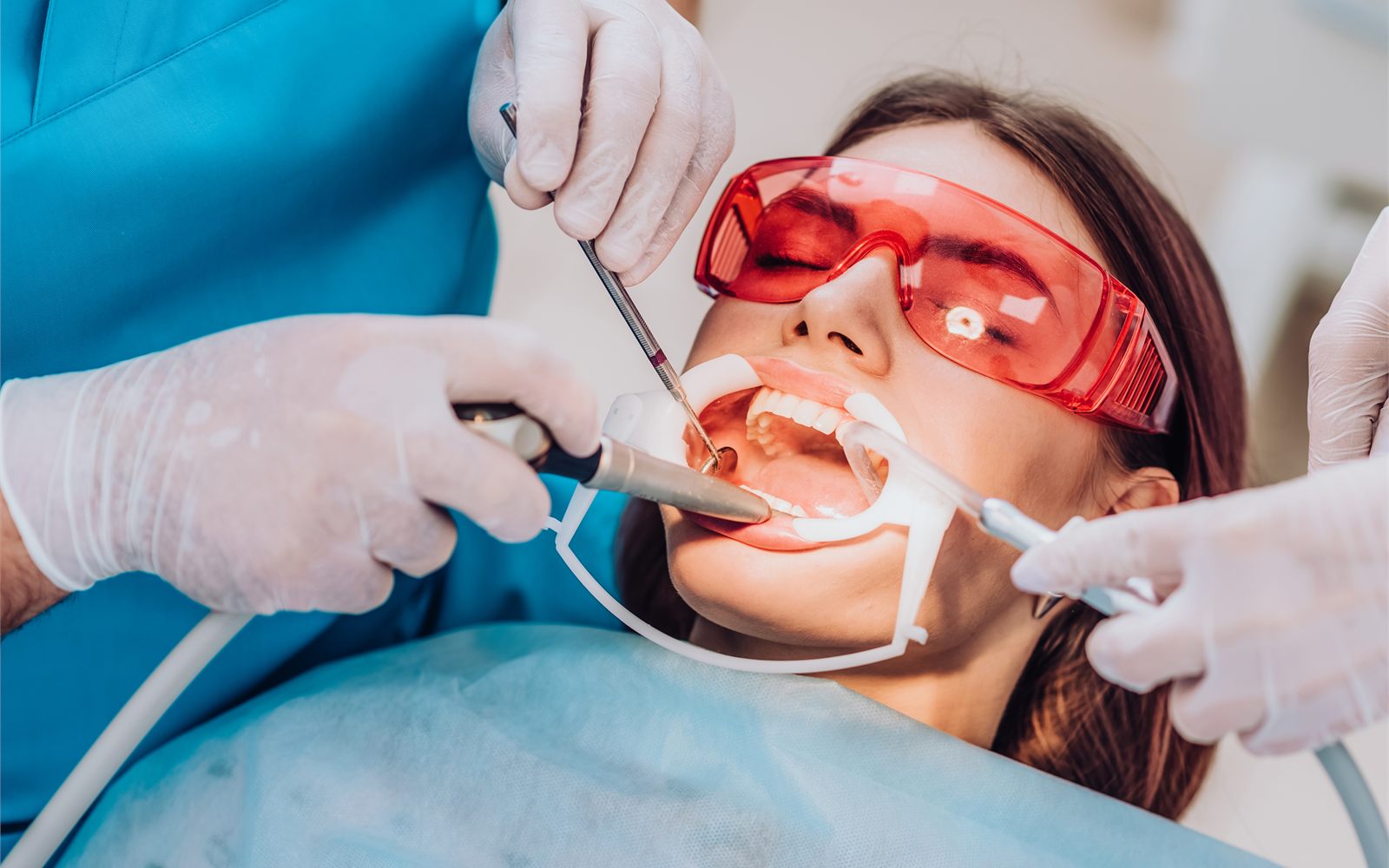
A filling repairs a tooth damaged by decay. The decayed tissue is removed, and the space is filled with a material that restores the tooth shape and seals it against bacteria. Left alone, decay does not stop — it works steadily inward toward the nerve, and what needed a filling in spring can need a root canal by the following year.
We place tooth-coloured composite fillings, which bond directly to the tooth and are shade-matched so they are effectively invisible. Because composite bonds rather than wedges into place, less healthy tooth has to be removed than with the silver amalgam fillings many people still carry from childhood.
How to tell you have a cavity
Often you cannot, which is the point of regular checkups. Early decay causes no symptoms at all, and by the time a tooth hurts the cavity is usually deep. Signs worth acting on:
- Sensitivity to sweet, hot or cold that lingers rather than passing quickly
- A visible dark spot, white chalky patch or hole in a tooth
- Food packing into the same spot repeatedly
- A rough edge your tongue keeps finding
- Floss shredding or catching in one particular place
That last one is a reliable early warning most people ignore. Floss that consistently frays in the same gap usually means a rough edge from decay between the teeth — where you cannot see it and where it grows fastest.
Composite compared with amalgam
| Composite (tooth-coloured) | Amalgam (silver) | |
|---|---|---|
| Appearance | Matched to your tooth | Clearly visible |
| Healthy tooth removed | Less — it bonds in place | More — it needs a shaped pocket |
| Typical lifespan | 7–10 years | 10–15 years |
| Best for | Small to medium cavities, any tooth | Large back-tooth cavities |
| Set time | Hardened immediately with a light | Sets over several hours |
We use composite for essentially all our filling work. Where a cavity is so large that a filling would leave the tooth weak, the honest answer is not a bigger filling but a crown — a very large filling on a back tooth tends to crack the remaining walls sooner or later.
What to expect, step by step
Diagnosis
We find decay by examination and x-ray — the x-ray matters because cavities between teeth are invisible to the eye until they are large.
Numbing
The tooth is anaesthetised. Very small, shallow cavities can sometimes be filled without it, and we will discuss that rather than assume either way.
Removing the decay
Only the decayed tissue is taken away, preserving as much healthy tooth as possible. This is the part patients dread and it is usually the shortest.
Placing and shaping
Composite is bonded in layers, each hardened with a curing light, then shaped to match the natural contours of the tooth so floss passes cleanly.
Bite check and polish
We check your bite with marking paper and adjust until it feels level, then polish. A filling left even slightly high will ache — say so if it feels tall, before you leave.
Afterwards, and making fillings last
You can eat as soon as the numbness wears off — composite is fully hardened before you leave. Mild sensitivity to cold for a week or two is common, particularly on deeper fillings, and settles on its own. Sensitivity that worsens after a couple of weeks is worth a call.
Fillings typically last seven to ten years. What ends them is new decay at the margin rather than the material wearing out, so the habits that protect them are the ordinary ones: brush twice daily with fluoride toothpaste, clean between the teeth every day, cut down on how often — not just how much — you eat sugar, and keep up your checkups so a leaking edge is caught while it is still a small repair.
What fillings cost, and coverage
Cost depends on the size of the cavity and how many surfaces of the tooth are involved. We examine and x-ray, then quote before we start — you will not be surprised at the end of the appointment.
Fillings are basic restorative treatment, so most PPO plans cover them well, often at 70–80%, and Medi-Cal / Denti-Cal covers fillings for eligible patients. We verify your benefits beforehand. Fillings are also, plainly, one of the cheapest ways to avoid far more expensive treatment later — which makes catching decay early the best value in dentistry.
Stopping the next cavity
If you have needed one filling you are statistically more likely to need another, because the conditions that produced the first are usually still there. Changing them is more effective than any material we place.
Frequency beats quantity. Each time sugar reaches your teeth, the mouth turns acidic for around twenty minutes while enamel loses minerals. Between attacks, saliva repairs the damage.
A chocolate bar eaten in one sitting is a single attack; the same amount grazed across a working day never lets the repair process catch up. Cutting the number of sugar occasions to mealtimes does more than cutting the total.
Fluoride, properly used. Brush twice daily with fluoride toothpaste, and spit rather than rinse — rinsing washes away the fluoride just as it starts working. For patients with repeated cavities we prescribe a higher-strength paste, which is genuinely effective and inexpensive.
Clean between the teeth. Most adult cavities in our chairs start on the surfaces where teeth touch, invisible to the eye and only found on x-ray. A brush has never reached them.
Watch for dry mouth. Saliva is your main natural defence, and a long list of common medications reduce it — antidepressants, blood pressure drugs, antihistamines.
Patients who develop several cavities suddenly in middle age have very often started a new prescription. Tell us what you are taking, because there are effective countermeasures and this is one of the most commonly missed causes of adult decay.
Fillings for Riverpark, North Fresno and nearby
We are at 6319 N Fresno St, Suite 101, minutes from Riverpark in north Fresno, with easy parking. Patients come to us from Fresno, Clovis, Sanger, Selma, Fowler, Kerman and Madera.
Dr. Kamaldeep Singh places every filling personally, and our team is bilingual in English and Spanish. If a tooth has become sensitive or you can see a dark spot, book a checkup now — the smaller it is when we find it, the less there is to do.
Frequently asked questions
How do I know if I need a filling?
Often you cannot tell, which is why checkups matter. Watch for lingering sensitivity to sweet, hot or cold, a visible dark spot, food packing in the same place, or floss that shreds consistently in one gap.
How long do tooth-coloured fillings last?
Typically seven to ten years. What usually ends them is new decay at the edge rather than the material wearing out, so daily cleaning and regular checkups do more for their lifespan than anything else.
Does getting a filling hurt?
The tooth is numbed, so you should feel pressure but not pain. Very small, shallow cavities can sometimes be filled without anaesthetic — we will discuss which applies to you rather than assume.
Can I eat straight after a filling?
Yes, once the numbness has worn off — composite is fully hardened with a curing light before you leave. Wait until sensation returns so you do not bite your cheek or tongue.
Why does my new filling feel high?
The bite may need a small adjustment, which takes a minute and no anaesthetic. Do not wait it out — a filling that sits high will ache and can bruise the ligament around the tooth. Call and come in.
Should I replace my old silver fillings?
Not simply because they are silver. If an amalgam filling is sound and sealed, replacing it removes more healthy tooth for no benefit. We replace them when they crack, leak or decay appears at the margin.
Do you take Medi-Cal / Denti-Cal for this treatment?
Yes — we welcome Medi-Cal and Denti-Cal patients, and we also accept all major PPO insurance and cash. Bring your Benefits Identification Card and our team will verify what your plan covers before treatment.
Patient guides Dr. Kamaldeep Singh, DDS wrote on the questions that come up most.
- How Long Does a Filling Last?
What determines whether a filling lasts five years or fifteen.
4 min read → - What Happens If You Ignore a Cavity
The route from a small filling to a root canal.
4 min read → - Can Cavities Heal Themselves?
What early decay can do, and where that stops.
4 min read →