What a root canal actually does
Inside every tooth is a soft core of nerve and blood vessels called the pulp. When decay, a crack or an injury lets bacteria reach it, the pulp becomes infected and inflamed — and because it is sealed inside a rigid tooth, the pressure has nowhere to go. That is what makes the pain so distinctive and so hard to ignore.
A root canal removes that infected tissue, cleans and shapes the narrow canals inside the roots, and seals them so bacteria cannot return. The tooth stays in place and keeps working. The treatment does not cause the pain, it ends it — the procedure has an unfair reputation built on how people felt before they came in, not during.
Signs you may need one
- Lingering pain after something hot or cold, rather than a quick twinge that fades
- Pain on biting or when pressure is applied to one particular tooth
- A deep ache that wakes you at night or throbs when you lie down
- A pimple-like bump on the gum near a tooth, which may release a bad taste
- Swelling in the gum or face near the tooth
- A tooth that has darkened compared with its neighbours
Worth knowing: pain that stops suddenly is not good news. It often means the nerve has died, and the infection is now spreading into the bone at the root tip quietly. If a bad toothache disappears on its own, get it checked rather than assume it resolved.
Root canal or extraction?
| Root canal | Extraction | |
|---|---|---|
| Keeps your own tooth | Yes | No |
| Bite and neighbouring teeth | Unchanged | Teeth drift; opposing tooth over-erupts |
| Jawbone | Preserved | Begins shrinking within months |
| Usually needs afterwards | A crown | An implant, bridge or denture |
| Upfront cost | Higher | Lower |
| Cost over ten years | Usually lower | Usually higher once replaced |
Extraction is cheaper on the day and more expensive over a decade, because the gap almost always needs filling eventually. Where a tooth can be saved, saving it is nearly always the better decision — nothing replaces a natural tooth root as well as the original.
What to expect, step by step
Diagnosis
We test the tooth and x-ray it to confirm the pulp is involved and to see the root anatomy. Referred pain is common, so it is worth being sure which tooth is actually the culprit.
Numbing and isolation
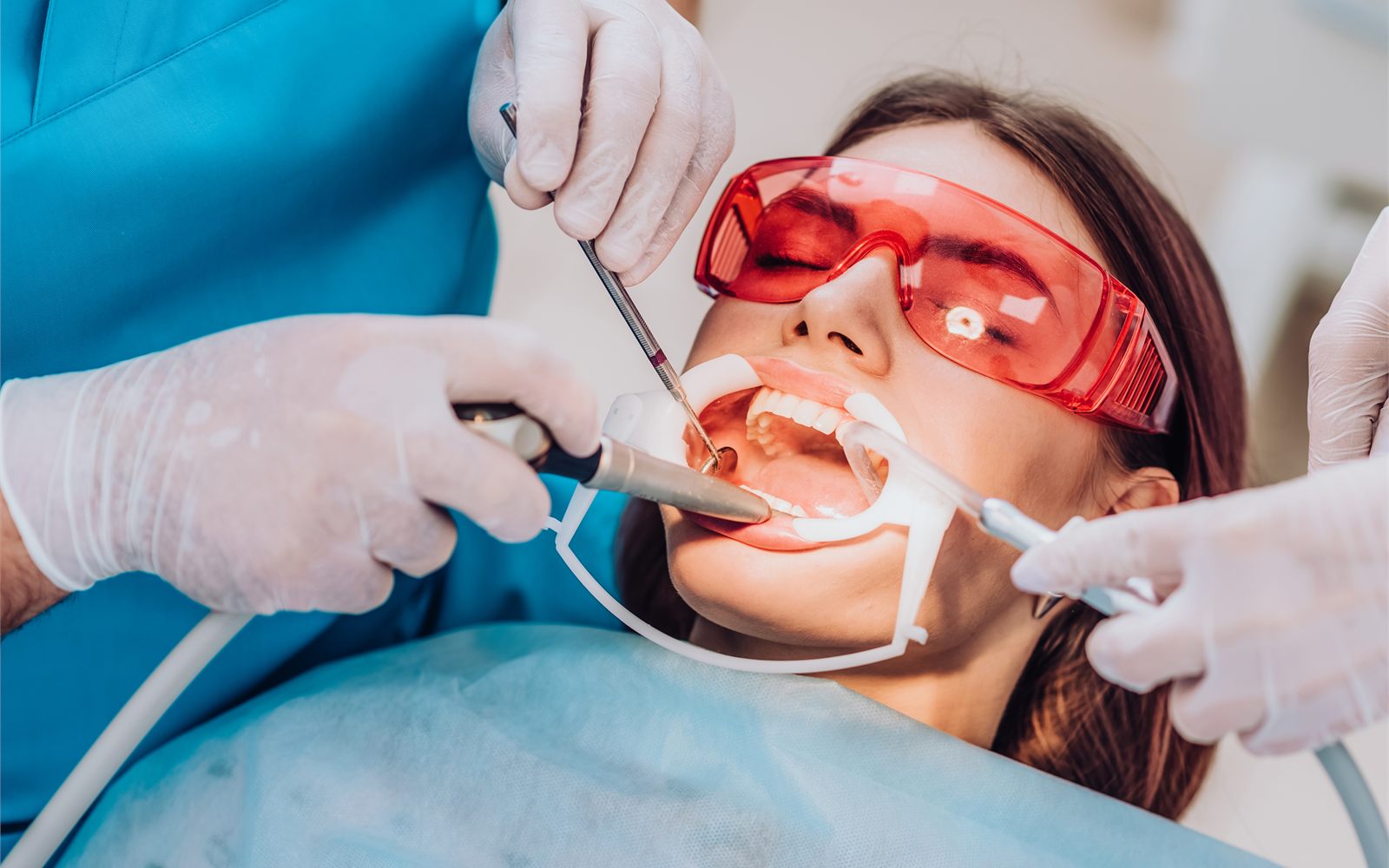
The tooth is fully anaesthetised and isolated with a small rubber sheet, which keeps the area clean and dry and stops anything reaching your throat.
Cleaning the canals
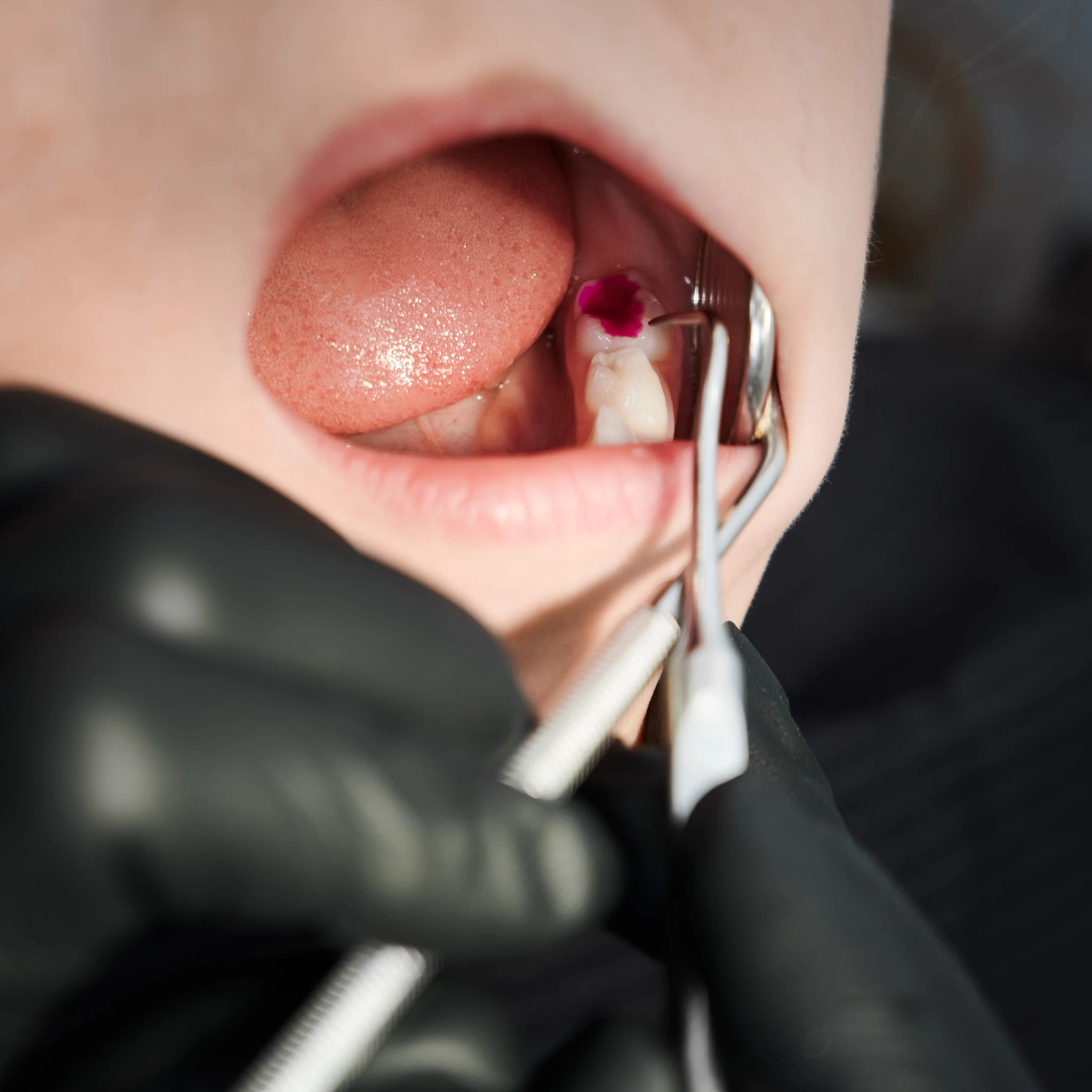
A small opening is made through the top of the tooth, the infected pulp is removed, and the canals are cleaned, shaped and disinfected. This is the part that takes the time and determines whether it lasts.
Sealing
The canals are filled with a rubber-like material and sealed so bacteria cannot re-enter, then the access opening is closed.
Protecting the tooth
A back tooth that has had a root canal becomes brittle and needs a crown to keep it from fracturing. This step is not optional — untreated, a cracked root-treated tooth usually cannot be saved a second time.
Recovery and how long it lasts
Most patients feel relief straight away, because the source of the pressure is gone. The tooth may be tender to bite on for a few days as the surrounding ligament settles, and ordinary pain relief handles that comfortably. You can eat normally, though it is sensible to favour the other side until the permanent crown is fitted.
Root canal treatment has a high long-term success rate — commonly quoted above 90% — and a properly restored tooth can last a lifetime. The failures we see are mostly teeth that never got their crown, or that developed new decay at the margin years later. So the aftercare is ordinary: brush, clean between the teeth, and keep up your checkups.
What root canal treatment costs, and coverage
Cost depends on which tooth — front teeth have one canal, molars often have three or four — and whether the crown afterwards is included in the quote. We x-ray and examine first, then give you a written plan covering both the root canal and the restoration, so the total is clear from the start.
Root canals are classed as necessary treatment, so most PPO plans contribute meaningfully, and Medi-Cal / Denti-Cal covers root canal treatment for eligible patients in defined circumstances. We verify your specific benefits before treatment. Financing is available if you need to spread the cost.
Root canal myths worth clearing up
No treatment in dentistry carries as much baggage, and most of it is decades out of date.
“Root canals are agonising.” The reputation was earned before modern anaesthetic and instruments, and it persists because people remember the pain that brought them in rather than the treatment that removed it. Surveys consistently find patients who have actually had one rate the discomfort as comparable to having a filling placed.
“It is better to just pull it.” Extraction is cheaper on the day and more expensive over a decade, once the gap has been replaced with an implant or bridge — and no replacement matches a natural root for preserving bone and bite.
“You get two attempts.” Not reliably. A root-treated tooth that is left without a crown and then fractures usually cannot be saved at all. Retreatment is possible when a canal was missed, but a vertical root fracture ends the discussion.
“The infection is gone, so the crown can wait.” This is the costly one. A back tooth that has had a root canal is structurally weakened and brittle.
Every month it goes without proper protection is a month it might split — and patients who put off the crown for a year are the ones who most often lose a tooth we successfully saved.
“Root canals cause illness.” This claim traces back to research from the 1920s that was discredited long ago and has been repeatedly refuted since. It circulates online regularly and has cost people teeth that were entirely salvageable.
Root canals for Riverpark, North Fresno and nearby
We are at 6319 N Fresno St, Suite 101, minutes from Riverpark in north Fresno, with parking right outside. Patients come to us from Fresno, Clovis, Sanger, Selma, Fowler, Kerman and Madera.
Dr. Kamaldeep Singh performs root canal treatment personally and takes the time to keep you comfortable throughout. If you are in pain right now, do not wait for a routine appointment — see our emergency dental care page and call us today.
Frequently asked questions
Does a root canal hurt?
The procedure itself is comfortable — the tooth is fully numbed, and the treatment relieves pain rather than causing it. Most patients feel better immediately afterwards, with mild tenderness on biting for a few days.
How do I know if I need a root canal?
Lingering pain after hot or cold, pain on biting, a deep ache that wakes you at night, a bump on the gum, swelling, or a tooth that has darkened. A pain that stops suddenly can mean the nerve has died — get it checked.
Is it better to have a root canal or pull the tooth?
Saving the tooth is nearly always better. Extraction is cheaper on the day but usually costs more over ten years once the gap is replaced, and nothing preserves your bite and jawbone as well as your own tooth root.
Do I really need a crown after a root canal?
On a back tooth, yes. The tooth becomes brittle and will eventually fracture without one — and a cracked root-treated tooth usually cannot be saved a second time. It is the cheapest insurance in dentistry.
How long does a root canal take?
Usually one to two appointments of about an hour to ninety minutes. Molars take longer than front teeth because they have three or four canals to clean and seal rather than one.
Does Medi-Cal cover root canals?
Denti-Cal covers root canal treatment for eligible patients in defined circumstances, and most PPO plans contribute because it is classed as necessary treatment. We verify your specific coverage before starting.
Do you take Medi-Cal / Denti-Cal for this treatment?
Yes — we welcome Medi-Cal and Denti-Cal patients, and we also accept all major PPO insurance and cash. Bring your Benefits Identification Card and our team will verify what your plan covers before treatment.
Patient guides Dr. Kamaldeep Singh, DDS wrote on the questions that come up most.
- Root Canal Treatment in Fresno
What the procedure involves, and why it has a worse reputation than it deserves.
5 min read → - What to Expect During a Root Canal
Step by step through the appointment, start to finish.
4 min read → - Severe Tooth Pain in Fresno
When tooth pain means the nerve is involved and the tooth needs treating.
5 min read →